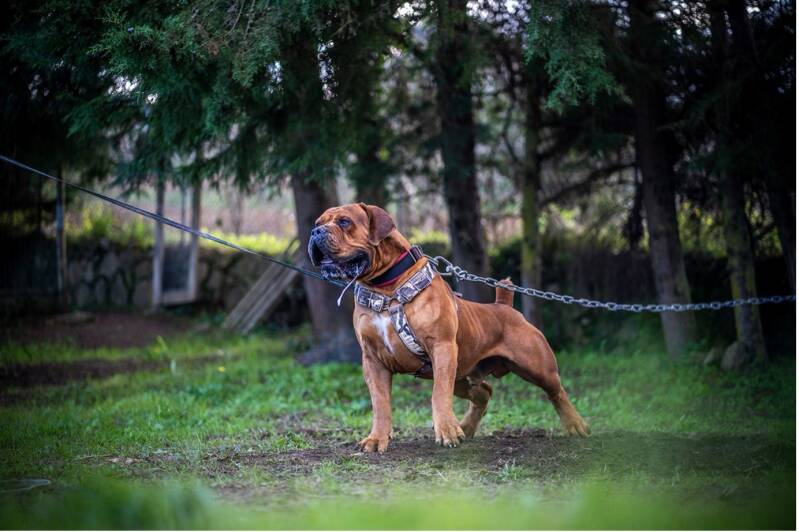
Boerboel Dog Ownership
Why Responsible Boerboel Dog Ownership Matters for Wildlife Conservation
The Relationship Between Domestic Dogs and Wildlife
Conservation efforts often focus on protecting endangered species, preserving habitats, and reducing human impact on ecosystems. However, one factor that is sometimes overlooked is the role domestic dogs can play in wildlife conservation.
Across many parts of the world, free-roaming and uncontrolled dogs can have a significant impact on local wildlife populations. Ground-nesting birds, small mammals, reptiles, and other vulnerable species can all be affected when dogs are allowed to wander unsupervised.
For this reason, responsible dog ownership should be considered an important part of broader conservation efforts.
Understanding the Impact of Uncontrolled Dogs
Most dog owners care deeply about animals and nature. The problem is rarely intentional. In many cases, wildlife disturbances occur simply because dogs are allowed off-leash in sensitive areas or because owners underestimate the effect their pets can have on local ecosystems.
Studies conducted in various countries have shown that even well-behaved family dogs can disturb nesting birds, chase wildlife, or alter the natural behavior of animals simply through their presence.
This is particularly important in protected natural areas where wildlife populations may already face pressure from habitat loss, urban development, and climate change.
The Importance of Training and Control
One of the most effective ways to reduce negative interactions between dogs and wildlife is through proper training.
A well-trained dog that responds reliably to recall commands and remains under control around distractions is far less likely to disturb wild animals or enter sensitive conservation zones.
Responsible breeders and trainers increasingly emphasize not only temperament but also trainability. Dogs that can remain calm and focused in challenging environments are easier for owners to manage in public spaces and natural habitats.
Choosing the Right Dog for the Right Lifestyle
Not every dog is suited to every owner or environment.
Prospective owners should carefully consider factors such as energy levels, prey drive, size, and temperament before selecting a breed. Matching the dog to the owner’s lifestyle can significantly improve long-term management and reduce potential conflicts with wildlife.
Many experienced breeders place strong emphasis on stable temperaments, balanced drives, and sound character traits that help dogs become reliable companions in a variety of environments.
Families interested in learning more about responsibly bred South African Boerboel puppies can explore available bloodlines and breeding information through Elite Boerboels.
Conservation Starts with Everyday Decisions
Wildlife conservation is often associated with large-scale projects and government initiatives. While these efforts are essential, small everyday decisions also matter.
Keeping dogs under control, respecting leash regulations, avoiding sensitive nesting areas, and investing time in proper training are all actions that contribute to protecting wildlife.
When dog owners act responsibly, they help create a safer environment not only for their pets but also for the countless species that share our natural landscapes.
Final Thoughts
The relationship between domestic dogs and wildlife does not have to be a conflict. Through education, responsible ownership, and thoughtful breeding practices, dogs and wildlife can coexist successfully.
Conservation begins with awareness, and every responsible dog owner has an opportunity to play a positive role in protecting the natural world for future generations.