DNA in avian taxonomy
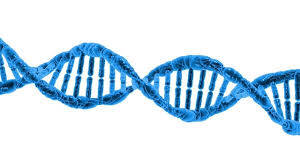
DNA has become one of the most powerful tools in modern bird taxonomy, helping scientists understand evolutionary relationships that are not always clear from physical traits alone. The process involves three main stages: extraction, analysis, and application in classification.
DNA Extraction in Birds
DNA extraction begins with collecting biological material. In birds, common sources include:
Blood samples (often taken from a wing vein)
Feathers (especially those with tissue at the base)
Buccal or cloacal swabs
Muscle tissue (in museum or deceased specimens)
The sample is treated in a laboratory to break open cells in a process called cell lysis. Chemicals and enzymes dissolve cell membranes and nuclear membranes, releasing DNA. Proteins and other cellular debris are removed using buffers, centrifugation, or purification columns. The purified DNA is then stored in a solution for further study.
Modern techniques allow even tiny or degraded samples—such as old museum skins—to yield usable genetic material.
DNA Analysis
After extraction, scientists analyze specific regions of the DNA.
a) PCR Amplification
Because DNA samples are often small, researchers use Polymerase Chain Reaction (PCR) to amplify (copy) targeted gene regions millions of times. In birds, commonly studied genes include:
Mitochondrial genes such as cytochrome c oxidase I (COI)
Nuclear genes for deeper evolutionary relationships
b) DNA Sequencing
The amplified DNA is sequenced to determine the exact order of nucleotides (A, T, C, G). Sequencing technologies range from traditional Sanger sequencing to high-throughput next-generation sequencing.
c) DNA Barcoding
A widely used approach is DNA barcoding, which analyzes a short standardized gene region (often COI). This acts like a molecular “barcode” to identify species.
d) Phylogenetic Analysis
Sequences from multiple species are compared using computational software. Scientists measure genetic similarities and differences to construct phylogenetic trees, which illustrate evolutionary relationships and shared ancestry.
Use in Taxonomic Classification of Birds
DNA analysis has revolutionized avian taxonomy in several key ways:
1. Clarifying Evolutionary Relationships
Some birds that look similar evolved independently (convergent evolution). DNA reveals whether similarities reflect true shared ancestry or adaptation to similar environments.
2. Revising Bird Families and Orders
Genetic studies have led to major reclassifications. For example, molecular research reorganized many traditional groupings within passerines (perching birds), the largest bird order.
3. Identifying Cryptic Species
DNA can uncover cryptic species—populations that look nearly identical but are genetically distinct. This is important for conservation planning.
4. Understanding Speciation
Genetic differences help scientists estimate when species diverged from a common ancestor. Studies of Darwin's finches in the Galápagos Islands show how genetic variation drives adaptive radiation.
Conclusion
The extraction, analysis, and application of DNA have transformed bird taxonomy from a system based primarily on physical traits to one grounded in evolutionary genetics. By comparing genetic sequences, scientists construct accurate phylogenies, identify hidden species, and refine classifications to reflect true evolutionary history. As sequencing technologies continue to advance, DNA-based taxonomy will become even more precise, reshaping our understanding of avian diversity and evolution worldwide.